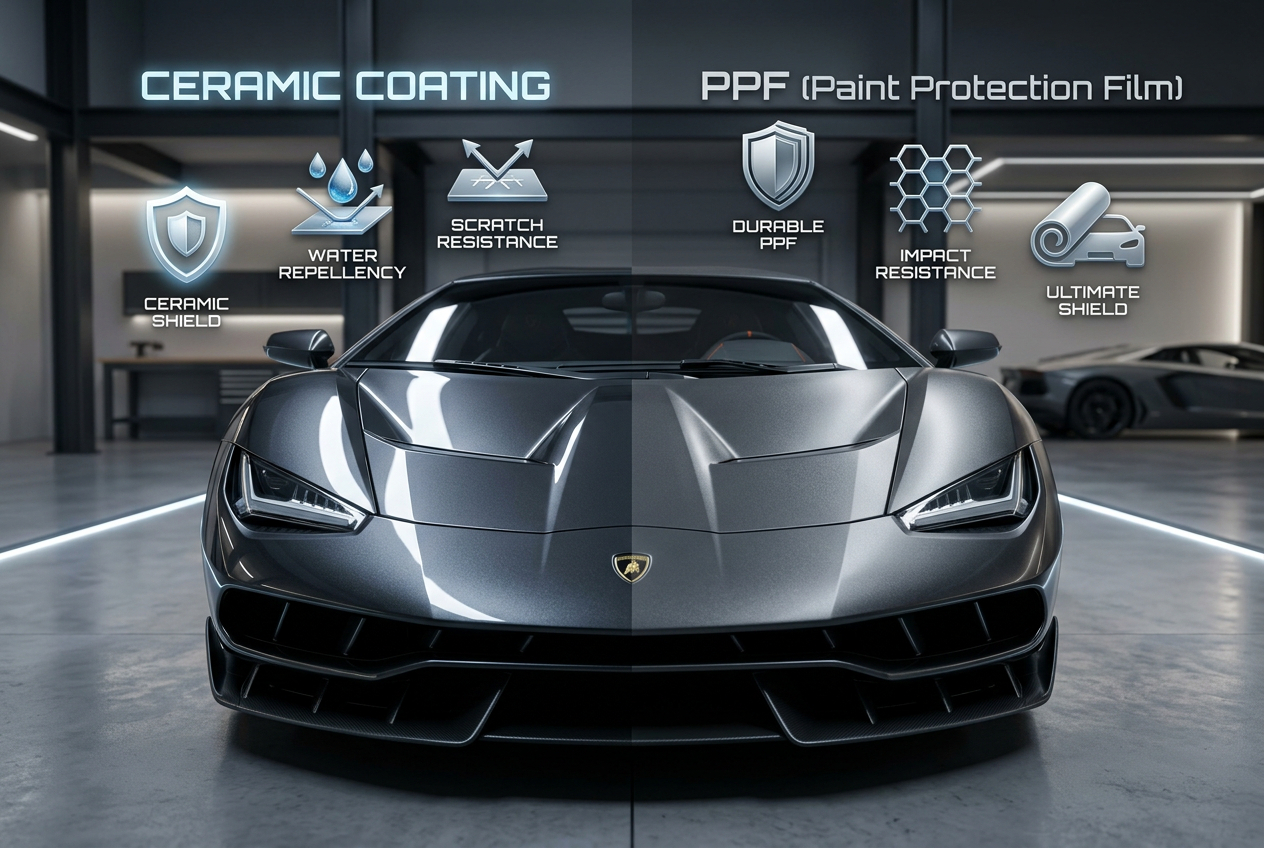
Protecting modern automotive paint has never been more important. Today’s automotive environments are harsher than ever. Paint systems have evolved toward environmentally friendly formulas, yet thinner clear coats make them more susceptible to microscratches, oxidation, and chemical exposure, a trend highlighted in 2026 detailing research and protection comparisons.
For vehicle owners, detailing studios, and car care product distributors worldwide, the two most trusted solutions remain Paint Protection Film (PPF) and Ceramic Coating. Both offer unique advantages, and when combined, they deliver unmatched longterm durability, gloss, and preservation of factory paint.
This PPF vs Ceramic Coating guide breaks down each technology, global trends, consumer search behavior, and how professionals determine the best protection strategy for every climate and vehicle type.
What Is Paint Protection Film (PPF)?
Paint Protection Film is a transparent, impactresistant thermoplastic urethane applied over your vehicle’s painted surfaces. It’s designed to absorb physical damage, something no chemical coating can replicate.
Key Benefits of PPF
- Unmatched impact absorption: PPF significantly outperforms coatings in protecting against rock chips, road debris, and abrasions, as confirmed in global 2026 comparisons.
- Selfhealing technology: Modern TPU films feature heatactivated surface layers that eliminate light scratches with warmth from the sun or warm water.
- High optical clarity: Premium films provide a near-invisible finish quality.
- UV and stain resistance: Advanced TPU formulations include UV inhibitors to reduce yellowing and improve longevity.
- Long service life: Most highend films last 5–10 years, depending on conditions and maintenance.
This makes PPF ideal for environments like the Carolinas, where gravel, salt, and highway traffic are constant, and the UAE, where vehicles face intense UV exposure, heavy sand abrasion, and high-speed travel.
What Is a Ceramic Coating?
A Ceramic Coating is a nanoengineered liquid polymer applied to paint or PPF. It chemically bonds to the surface, creating a durable, glossy, hydrophobic layer.
2026 innovations have increased protective performance significantly. Advances in SiO₂, TiO₂, and grapheneinfused coatings have improved thermal stability, hardness, and chemical resistance, making coatings even more effective in extreme climates.
Key Benefits of Ceramic Coating
- Deep, longlasting gloss: Enhances clarity and color depth for a showroom finish.
- Superior hydrophobicity: Water beads and sheets off effortlessly, simplifying cleaning.
- Strong chemical resistance: Protects against bird droppings, acid rain, bug splatter, and road film.
- UV protection: Minimizes oxidation and fading.
However, ceramic coatings do not stop rock chips or deep scratches, which is why many owners choose to pair coatings with PPF.
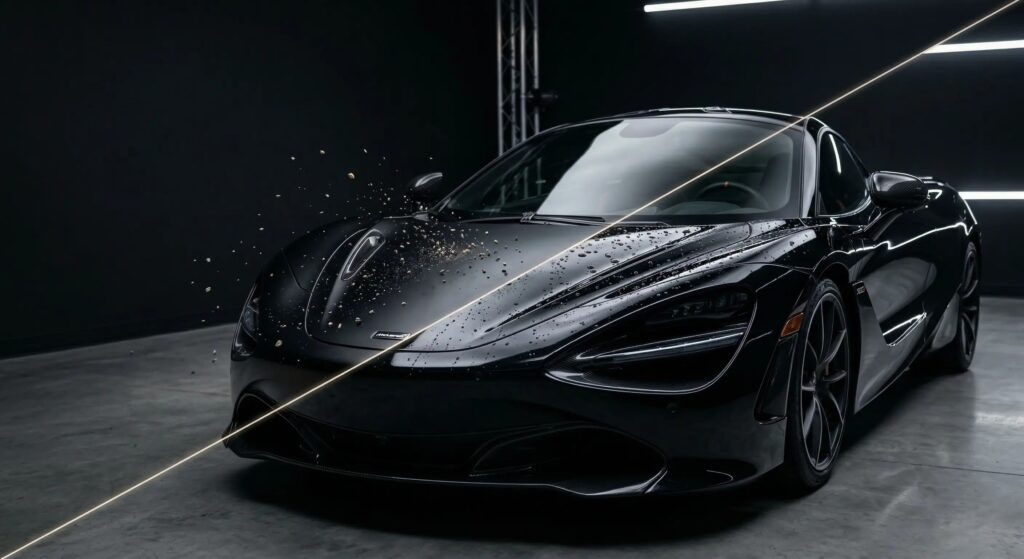
PPF vs. Ceramic Coating: Understanding the Differences
Search and comparison insights from 2026 reveal that consumers and professionals evaluate these technologies based on the type of protection they deliver.
Impact Protection
- Winner: PPF
PPF is a physical barrier that absorbs impact from debris, gravel, and road hazards.
Gloss & Aesthetic Enhancement
- Winner: Ceramic Coating
Coatings offer superior shine, depth, and color enhancement.
UV & Chemical Resistance
- Winner: Both
PPF provides UV stability, while ceramic coatings offer outstanding resistance to chemicals and environmental contaminants.
SelfHealing Ability
- Winner: PPF
Heatactivated recovery is a core feature of modern TPU films.
Ease of Maintenance
- Winner: Ceramic Coating
Hydrophobic behavior minimizes washing frequency and effort.
Longevity
- PPF: 5–10 years
- Ceramic Coating: 2–5+ years depending on formula and care
Search Trends: What Drivers Are Asking in 2026
Global search behavior shows a growing interest in longterm protection methods, especially as vehicle costs rise and manufacturers use softer, ecocompliant paints.
One of the most common questions appearing in 2026 comparison analyses is which protection method performs better overall: PPF or ceramic coating.
Searches related to rockchip protection also dominate, especially from drivers in constructionheavy U.S. regions and sandprone Gulf countries. PPF consistently emerges as the preferred solution for impact resistance.
In hot climates like the UAE, an increasing number of drivers want to know if ceramic coatings hold up under extreme heat. Modern coating technologies, including SiO₂/TiO₂ blends, have demonstrated strong stability in high UV environments.
Luxury vehicle owners worldwide frequently research top PPF brands like Luminous – premium car care for premium cars, evaluating optical clarity, self-healing ability, and warranty strength.
Across all markets, one trend is growing rapidly: consumers are searching for combined protection, using PPF for high impact zones and ceramic coatings for the entire vehicle, a strategy widely recognized by detailing professionals as the most complete protection system.
Global Trends Driving the Industry Forward
Beyond consumer demand, B2B buyers, including automotive studios, installers, distributors, and fleet operators, are reshaping the protective film and coating industries.
A major factor in 2026 is the shift toward TPU based paint protection films known for their flexibility, clarity, and long-term durability, qualities that distributors prioritize when sourcing high volume material.
Professional studios worldwide are expanding their offerings to include advanced selfhealing PPF technologies, hydrophobic topcoated films, and precisioncut template systems that reduce labor costs and improve efficiency.
On the coating side, B2B buyers are increasing orders of nanoceramic and graphene enhanced coatings due to their improved heat tolerance, hardness, and compatibility with PPF, particularly in markets with harsh sunlight or high environmental contamination. These graphene reinforced coatings are gaining traction because they offer measurable performance improvements for both retail and commercial clients.
This evolution reflects a global shift toward premium, technologically advanced solutions built for modern paint systems, luxury vehicles, EVs, and fleet maintenance programs.
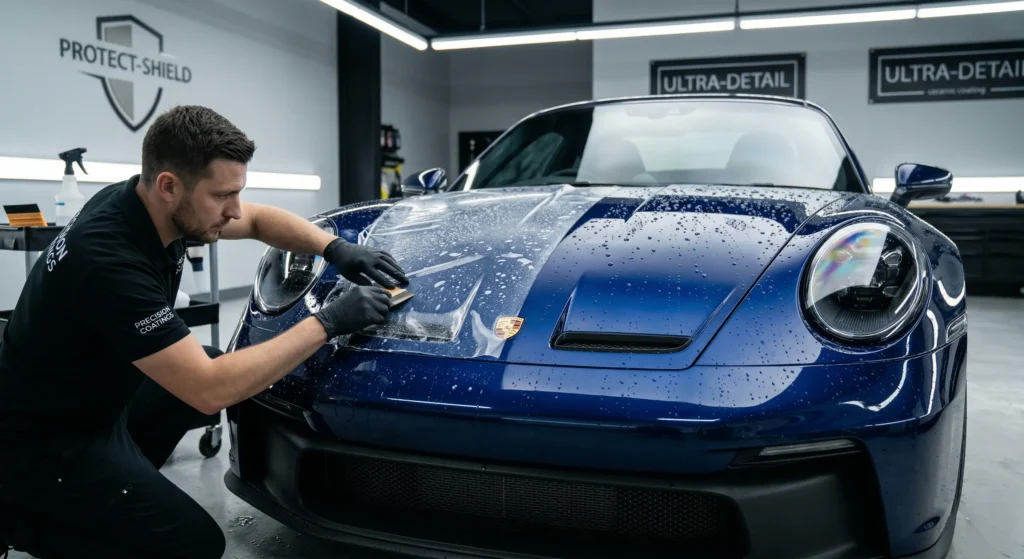
Which Solution Is Right for You? PPF, Ceramic Coating, or Both?
Choose PPF if you:
- Regularly drive highways or long distances
- Live in areas with gravel, sand, debris, or construction
- Own a luxury, exotic, or premiumpaint vehicle
- Want maximum impact resistance
Choose Ceramic Coating if you:
- Want rich, longlasting gloss
- Prefer easier maintenance and hydrophobic behavior
- Need strong UV and chemical resistance
- Want the vehicle to stay cleaner longer
Choose Both if you want:
- PPF on highimpact zones (front bumper, hood, fenders, mirrors)
- Ceramic coating across the entire vehicle, including the film
- Maximum longterm value and paint preservation
Most professionals and datadriven comparison guides agree that the combined approach offers the most comprehensive protection available today.
Luminous: Delivering Premium Protection for Every Climate & Market
At Luminous, we specialize in premium paint protection solutions engineered for both consumer vehicles and global B2B clients. Whether you manage a detailing studio, supply protective films, operate a fleet, or simply want your personal car to remain flawless, we deliver:
- Industryleading PPF with exceptional clarity and durability
- Advanced ceramic coatings featuring nextgeneration nanotechnology
- Scalable solutions for distributors and studios
- Longterm surface protection tailored to both U.S. and Middle Eastern climates
From Charlotte, North Carolina, to Dubai, and across automotive markets worldwide, our mission is simple: Protect your investment with technology designed for the road ahead.
Read more from Luminous
The rise of mobile car wash & detailing: A strategic opportunity for luminous
Keep your clients’ cars protected: winter tips for ceramic coating and PPF
The U.S. PPF Market: Key Trends, Regional Hotspots, and the Luminous Advantage
Luminous USA car care brand marks Black Friday with 15% discount for professional installers
Eco-Friendly Auto Detailing Guide: Top Sustainable Tips Using Luminous Car Care Products