[gtranslate widget_look="popup"]
Ceramic coating
Luminous Team

The End of Wax: Why Ceramic Coating is the New Standard in Paint Protection

For decades, car wax was the standard answer to paint protection. Apply it, buff it out, repeat every few months. It was familiar, affordable, and widely accepted as the routine of vehicle maintenance. But something has changed, and the numbers are hard to ignore.  The global automotive ceramic coating market was valued at between $2.1 billion and $3.8 billion in 2025, with projected annual growth of 7% to 8.5% through the next decade. This isn’t a niche trend. It’s a structural shift in how vehicle owners think about paint protection, and for car care professionals, it represents one of the most significant business opportunities in the industry today.  At Luminous, we’ve watched this shift closely. Here’s what the data tells us, and what it means for the professionals who choose to get ahead of it.  The market has made its decision  The primary driver behind ceramic coating adoption isn’t just novelty; it’s dissatisfaction with wax. Market research consistently identifies the same motivators behind the shift: consumers want longer-lasting paint protection, lower maintenance requirements, and solutions that preserve their vehicle’s appearance and resale value over time, not just until the next rainfall.  Car wax, by definition, cannot deliver that. It sits on top of the paint surface rather than bonding with it, breaks down with UV exposure and washing, and requires reapplication every few months to remain effective. For a vehicle owner who values their car’s appearance, that’s a maintenance cycle with no end.  Professional ceramic coating changes the equation entirely. When applied correctly by a trained installer, a ceramic coating creates a semi-permanent bond with the vehicle’s clear coat, delivering hydrophobic protection, UV resistance, chemical resistance, and enhanced gloss that outlasts any wax by years, not months.  At Luminous, we noticed that the market has done the math. Consumers are choosing ceramic coating not because it’s a luxury upgrade, but because it’s a more rational long-term investment in vehicle paint protection.  Who is driving adoption?  The aftermarket detailing segment is identified in multiple market reports as one of the fastest-growing distribution channels for professional ceramic coating products. The customer profile is also expanding beyond early adopters.  Luxury vehicle owners were the first to embrace ceramic coating as the obvious choice for protecting high-value paintwork. EV owners followed, a growing segment acutely aware that their vehicles’ smooth, often complex paint finishes benefit significantly from a durable protective coating. SUV owners and fleet operators seeking to reduce lifecycle maintenance costs have since joined, attracted by the operational efficiency of a protection solution that doesn’t require constant reapplication.  Across all these segments, the shift in consumer decision-making is consistent: the purchase is no longer about “shine.” It’s about durability, vehicle longevity, and reduced maintenance costs. That’s a fundamentally different conversation and one that car care professionals with professional ceramic coating capabilities are far better equipped to have. What this means for car care professionals The decline of wax as a primary protection service and the rise of professional ceramic coating create a clear business opportunity for detailers, installers, and car care centers. Customers are already informed, already motivated, and already looking for professionals they can trust to deliver the service correctly.  But “correctly” is the operative word. Ceramic coating application is not a process that tolerates shortcuts. Proper paint correction before coating, controlled environmental conditions during application, correct cure time management, and precise surface preparation all determine whether the coating performs as designed or fails prematurely. This is where trained, certified installers hold a decisive advantage over untrained competitors and DIY alternatives.  At Luminous, this is exactly why we invest in installer certification and professional support alongside our ceramic coating product range. The coating is only as good as the installation behind it. The professional opportunity is here now  The automotive ceramic coating market is growing, consumer awareness is accelerating, and the professionals positioned to meet that demand with certified, high-quality installation services are the ones who will benefit most from the shift.  At Luminous, we’ve built our professional ceramic coating range for exactly this moment, delivering the product performance, technical support, and installer certification infrastructure that car care professionals need to lead in their markets.  Wax had its era. The next one belongs to ceramic coating, and to the professionals who get ahead of the curve.  Explore Luminous professional-grade ceramic coatings  Read more from Luminous Luminous Expands Support For GCC Car Care Partners With Professional Protection Products For The Season Luminous Expands Its Eco-Friendly Air Freshener Range With Two New Scents Designed For Car Detailers Why Installer Certification Matters: Protecting Industry Standards in the Paint Protection and Car Care Sector PPF vs. Ceramic Coating: The Ultimate 2026 Guide for Protecting Your Vehicle

Read More »
PPF vs Ceramic Coating
Ceramic coating
Luminous Team

PPF vs. Ceramic Coating: The Ultimate 2026 Guide for Protecting Your Vehicle

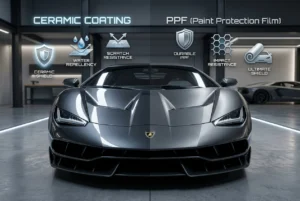
Protecting modern automotive paint has never been more important. Today’s automotive environments are harsher than ever. Paint systems have evolved toward environmentally friendly formulas, yet thinner clear coats make them more susceptible to microscratches, oxidation, and chemical exposure, a trend highlighted in 2026 detailing research and protection comparisons. For vehicle owners, detailing studios, and car care product distributors worldwide, the two most trusted solutions remain Paint Protection Film (PPF) and Ceramic Coating. Both offer unique advantages, and when combined, they deliver unmatched longterm durability, gloss, and preservation of factory paint. This PPF vs Ceramic Coating guide breaks down each technology, global trends, consumer search behavior, and how professionals determine the best protection strategy for every climate and vehicle type. What Is Paint Protection Film (PPF)? Paint Protection Film is a transparent, impactresistant thermoplastic urethane applied over your vehicle’s painted surfaces. It’s designed to absorb physical damage, something no chemical coating can replicate. Key Benefits of PPF Unmatched impact absorption: PPF significantly outperforms coatings in protecting against rock chips, road debris, and abrasions, as confirmed in global 2026 comparisons. Selfhealing technology: Modern TPU films feature heatactivated surface layers that eliminate light scratches with warmth from the sun or warm water. High optical clarity: Premium films provide a near-invisible finish quality. UV and stain resistance: Advanced TPU formulations include UV inhibitors to reduce yellowing and improve longevity. Long service life: Most highend films last 5–10 years, depending on conditions and maintenance. This makes PPF ideal for environments like the Carolinas, where gravel, salt, and highway traffic are constant, and the UAE, where vehicles face intense UV exposure, heavy sand abrasion, and high-speed travel. What Is a Ceramic Coating? A Ceramic Coating is a nanoengineered liquid polymer applied to paint or PPF. It chemically bonds to the surface, creating a durable, glossy, hydrophobic layer. 2026 innovations have increased protective performance significantly. Advances in SiO₂, TiO₂, and grapheneinfused coatings have improved thermal stability, hardness, and chemical resistance, making coatings even more effective in extreme climates. Key Benefits of Ceramic Coating Deep, longlasting gloss: Enhances clarity and color depth for a showroom finish. Superior hydrophobicity: Water beads and sheets off effortlessly, simplifying cleaning. Strong chemical resistance: Protects against bird droppings, acid rain, bug splatter, and road film. UV protection: Minimizes oxidation and fading. However, ceramic coatings do not stop rock chips or deep scratches, which is why many owners choose to pair coatings with PPF. PPF vs. Ceramic Coating: Understanding the Differences Search and comparison insights from 2026 reveal that consumers and professionals evaluate these technologies based on the type of protection they deliver. Impact Protection Winner: PPF PPF is a physical barrier that absorbs impact from debris, gravel, and road hazards. Gloss & Aesthetic Enhancement Winner: Ceramic Coating Coatings offer superior shine, depth, and color enhancement. UV & Chemical Resistance Winner: Both PPF provides UV stability, while ceramic coatings offer outstanding resistance to chemicals and environmental contaminants. SelfHealing Ability Winner: PPF Heatactivated recovery is a core feature of modern TPU films. Ease of Maintenance Winner: Ceramic Coating Hydrophobic behavior minimizes washing frequency and effort. Longevity PPF: 5–10 years Ceramic Coating: 2–5+ years depending on formula and care Search Trends: What Drivers Are Asking in 2026 Global search behavior shows a growing interest in longterm protection methods, especially as vehicle costs rise and manufacturers use softer, ecocompliant paints. One of the most common questions appearing in 2026 comparison analyses is which protection method performs better overall: PPF or ceramic coating. Searches related to rockchip protection also dominate, especially from drivers in constructionheavy U.S. regions and sandprone Gulf countries. PPF consistently emerges as the preferred solution for impact resistance. In hot climates like the UAE, an increasing number of drivers want to know if ceramic coatings hold up under extreme heat. Modern coating technologies, including SiO₂/TiO₂ blends, have demonstrated strong stability in high UV environments. Luxury vehicle owners worldwide frequently research top PPF brands like Luminous – premium car care for premium cars, evaluating optical clarity, self-healing ability, and warranty strength. Across all markets, one trend is growing rapidly: consumers are searching for combined protection, using PPF for high impact zones and ceramic coatings for the entire vehicle, a strategy widely recognized by detailing professionals as the most complete protection system. Global Trends Driving the Industry Forward Beyond consumer demand, B2B buyers, including automotive studios, installers, distributors, and fleet operators, are reshaping the protective film and coating industries. A major factor in 2026 is the shift toward TPU based paint protection films known for their flexibility, clarity, and long-term durability, qualities that distributors prioritize when sourcing high volume material. Professional studios worldwide are expanding their offerings to include advanced selfhealing PPF technologies, hydrophobic topcoated films, and precisioncut template systems that reduce labor costs and improve efficiency. On the coating side, B2B buyers are increasing orders of nanoceramic and graphene enhanced coatings due to their improved heat tolerance, hardness, and compatibility with PPF, particularly in markets with harsh sunlight or high environmental contamination. These graphene reinforced coatings are gaining traction because they offer measurable performance improvements for both retail and commercial clients. This evolution reflects a global shift toward premium, technologically advanced solutions built for modern paint systems, luxury vehicles, EVs, and fleet maintenance programs. Which Solution Is Right for You? PPF, Ceramic Coating, or Both? Choose PPF if you: Regularly drive highways or long distances Live in areas with gravel, sand, debris, or construction Own a luxury, exotic, or premiumpaint vehicle Want maximum impact resistance Choose Ceramic Coating if you: Want rich, longlasting gloss Prefer easier maintenance and hydrophobic behavior Need strong UV and chemical resistance Want the vehicle to stay cleaner longer Choose Both if you want: PPF on highimpact zones (front bumper, hood, fenders, mirrors) Ceramic coating across the entire vehicle, including the film Maximum longterm value and paint preservation Most professionals and datadriven comparison guides agree that the combined approach offers the most comprehensive protection available today. Luminous: Delivering Premium Protection for Every Climate & Market At Luminous, we specialize in premium paint protection solutions engineered for both consumer vehicles and global B2B clients. Whether you manage a detailing studio, supply protective films, operate a fleet, or simply want your personal car to remain flawless, we deliver: Industryleading PPF with exceptional clarity and durability Advanced ceramic coatings featuring nextgeneration nanotechnology Certified car care partner programs Scalable solutions for distributors and studios

Read More »
Ceramic coating and PPF winter car care tips for clients - A road full of snow with cars
Ceramic coating
Luminous Team

Keep your clients’ cars protected: winter tips for ceramic coating and PPF

Keep your clients’ cars protected: winter tips for ceramic coating and PPF As temperatures drop and roads are covered in salt, snow, and grime, vehicle protection becomes more important than ever. For car owners who have invested in ceramic coating and paint protection film (PPF), the winter season can either showcase the true strength of these protective layers or shorten their lifespan if not maintained correctly. Here’s a professional winter care guide you can share with your clients to help them preserve the shine, durability, and hydrophobic performance of their protected vehicles all season long. Why ceramic coatings are a winter essential Ceramic coatings create a durable, hydrophobic barrier that shields automotive paint from the harsh realities of winter driving. From corrosive road salt to frozen slush and grime, this invisible layer helps repel contaminants that would otherwise bond to the clear coat. Key benefits during winter: Salt and grime resistance: Prevents corrosion caused by de-icing chemicals. Easy cleaning: Hydrophobic properties make it harder for snow and dirt to stick. UV and oxidation protection: Even in cold weather, UV rays can dull paint. When properly maintained, a high-quality ceramic coating ensures that vehicles remain glossy and easier to clean, no matter how harsh the winter conditions get. Safe washing techniques for ceramic-coated vehicles Winter washing requires extra care to avoid micro-scratches and preserve the coating’s performance. Advise your clients to: Use a pH-neutral shampoo: Avoid harsh detergents that strip the hydrophobic layer. Follow the two-bucket method: One for soapy water, one for rinsing. This reduces the risk of swirl marks. Wash with warm water: If possible, this helps loosen salt and grime more effectively. Dry with a soft microfiber towel: Never allow water to air dry in freezing temperatures. Avoid automatic car washes: Brushes and strong chemicals can degrade the coating and cause micro-marring. Encourage clients to wash their vehicles regularly during winter, even when it’s cold. The less time salt and grime sit on the surface, the better. Reapplying ceramic toppers for extra protection To maintain slickness and hydrophobicity, clients should apply a ceramic topper or SiO₂ spray sealant every few months, especially before and after winter. These maintenance sprays refresh the coating’s self-cleaning properties and enhance water beading, providing that just-coated gloss. Professionals can offer this as part of a “Winter Protection Package” for returning clients. How to keep PPF in perfect condition during winter Paint Protection Film (PPF) is another winter warrior, acting as a physical barrier against rock chips, road debris, and chemical stains. However, even premium films require special care in cold weather. Here’s how clients can keep their PPF looking flawless all winter: Inspect Edges and Seams Regularly Cold weather can cause slight expansion and contraction of the film. Advise clients to check for lifting or peeling edges, especially around bumpers, mirrors, and wheel arches. Early maintenance prevents moisture or salt from seeping underneath. Be Gentle When Washing When washing a PPF-protected car, avoid using high-pressure water directly on film edges. Instead, rinse at a moderate distance and use soft wash mitts to prevent lifting or tearing. Double Up with Ceramic Coating on PPF For superior protection, many professionals now apply a ceramic coating on top of PPF. This combination adds chemical resistance, UV protection, and enhanced gloss. It also makes winter maintenance easier, as snow, salt, and mud rinse off effortlessly. Proper Storage for Seasonal or Luxury Vehicles If a vehicle won’t be driven often during the winter, storage conditions are crucial. Recommend that clients: Store the vehicle in a dry, covered garage. Maintain stable humidity levels to avoid condensation. Avoid covering with cheap plastic tarps; use breathable car covers designed for coated or PPF cars. Educate your clients about ceramic coating and PPF, and build trust For detailers and car care professionals, educating clients about winter protection maintenance can build long-term loyalty and increase service bookings. Offering seasonal check-ups, ceramic topper reapplications, and PPF inspections not only protects clients’ vehicles but also reinforces your expertise as a trusted car care provider. Encourage your clients to think of ceramic coatings and PPF not as “apply and forget” solutions, but as investments in long-term car preservation, especially during the harshest season of the year. Join the Luminous network: partnership opportunities available Car care professionals looking to expand their PPF offering, enhance their reputation, and secure a stronger position in the automotive care industry are invited to contact Luminous to learn more about these exciting partnership opportunities. For more details on the partnership programs and how to become a partner, visit the Luminous website’s Luminous Car Care Installers Program and Luminous Car Care Dealers Program pages, or contact the Luminous team at info@luminous-me.com. Luminous car care products are available at Al-Rabiya Auto Accessories, our main car care products distributor in the MENA region. Read more from Luminous about ceramic coating and PPF The U.S. PPF Market: Key Trends, Regional Hotspots, and the Luminous Advantage Luminous marks a decade of partnership with Al-Rabiya supporting Middle East car care pros. EV sales surge ahead of tax credit expiry but Tesla struggles: What it means for the automotive care industry Luminous launches new colored PPF line blending custom style with advanced protection Paint Protection Film History: From Battlefields to Driveways Stay updated with the latest in car care Subscribe to the Luminous newsletter for expert tips, product news, and exclusive offers delivered straight to your inbox.

Read More »
Have a Question?

info@luminous-me.com

Want to Know About Us?
Want to Buy Products?